 Reviews

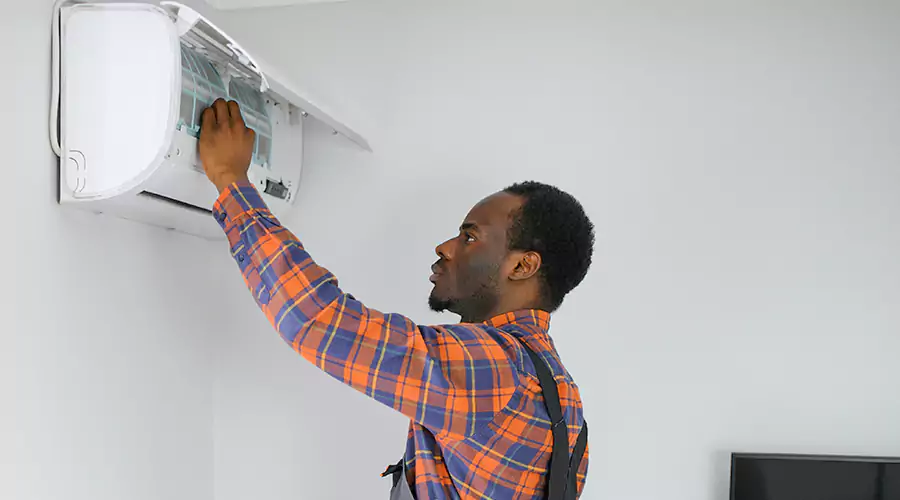
An HVAC system should cycle on and off to maintain comfort. When your hvac runs constantly, it usually means the system is struggling to meet demand. In some cases, HVAC repair may also indicate a system problem that affects proper operation. This can lead to higher energy use and reduced comfort over time. Identifying the cause early helps prevent larger repairs.
Why Constant HVAC Operation Matters?
Continuous operation places stress on system components. Motors and compressors wear faster under constant load. This can shorten system lifespan and increase repair frequency.
How Excess Run Time Affects System Performance?
Constant hvac operation reduces efficiency because the system cannot complete proper cycles. Parts experience more wear during extended use. Over time this leads to reduced reliability and higher operating cost.
Common Causes at a Glance
Many factors can cause long run times. Some issues are simple while others require inspection. Understanding the cause helps guide the next step.
| Problem | What It Can Cause | Best Next Step |
|---|---|---|
| Dirty filter | Restricted airflow | Replace the filter |
| Thermostat problem | Wrong temperature readings | Check settings and location |
| Low refrigerant | Poor cooling performance | Call an HVAC technician |
| Leaky ducts | Lost conditioned air | Schedule duct inspection |
| Poor insulation | Heat gain or heat loss | Improve insulation |
| Wrong system size | Long cycles or short cycles | Request system evaluation |
This table gives a starting point, but a full inspection may be needed if the issue continues.
Your AC Runs All Day
Continuous cooling often means the system cannot remove enough heat. This leads to long run cycles without reaching the set temperature. The problem may worsen during hot weather.
What Limits Cooling Performance in Your Home?
When your ac runs all day, airflow restrictions or refrigerant issues may reduce cooling ability. Poor insulation can also increase heat load. Identifying the limiting factor helps restore proper performance.
Your Furnace Runs Too Often
Frequent heating cycles can indicate that the system is losing heat quickly. This leads to repeated operation throughout the day. It can also reduce comfort consistency.
Why Heating Cycles Become Too Frequent?
If your furnace runs too often, heat loss or airflow issues may prevent stable temperatures. The system must restart to maintain warmth. Fixing airflow or insulation helps reduce cycling.
HVAC Short Cycling
Short cycling causes the system to turn on and off rapidly. This prevents proper heating or cooling cycles. It also increases wear on internal parts.
How Rapid Cycling Damages Equipment?
HVAC short cycling stresses components during repeated startup. This reduces efficiency and shortens system life. Resolving the cause helps restore normal operation.
Thermostat Issues
Thermostats control when the system runs. Incorrect readings can cause unnecessary operation. This often leads to longer or repeated cycles.
How Incorrect Signals Affect System Behavior?
Thermostat issues may cause the system to run longer than needed. Poor placement can lead to false readings. Correct settings and placement improve system response.
Dirty Air Filter
Airflow restriction forces the system to work harder. This increases run time and reduces efficiency. Filter maintenance is a simple but important task.
How Airflow Restriction Increases Run Time?
A dirty air filter limits air movement through the system. This makes it harder to reach the desired temperature. Regular replacement helps maintain proper airflow.
Low Refrigerant
Cooling systems rely on proper refrigerant levels. Low levels reduce cooling performance. This causes the system to run longer.
Why Refrigerant Levels Affect Cooling Cycles?
Low refrigerant prevents efficient heat transfer. The system must run longer to remove heat. Professional repair is required to fix leaks and restore levels.
Undersized HVAC System
A system that is too small cannot meet demand. It may run continuously without reaching the set temperature. This leads to constant operation during extreme weather.
How System Size Impacts Performance?
An undersized hvac system struggles to keep up with heating or cooling needs. It operates longer to compensate. Proper sizing ensures balanced performance.
Oversized HVAC System
Larger systems may run in short bursts. This can create uneven comfort and cycling issues. Bigger equipment does not guarantee better results.
Why Larger Systems Can Reduce Efficiency?
An oversized hvac system cools or heats too quickly then shuts off. This prevents proper cycle completion. Correct sizing improves comfort and efficiency.
Leaky Ductwork
Air leaks reduce the amount of conditioned air reaching rooms. This forces the system to run longer. Duct issues often go unnoticed.
How Air Loss Affects System Operation?
Leaky ductwork allows air to escape before reaching living spaces. This reduces system effectiveness. Sealing ducts improves airflow and reduces run time.
Poor Insulation
Insulation helps maintain indoor temperature. Poor insulation allows heat transfer. This increases system workload.
How Heat Loss and Gain Increase Run Time?
Poor insulation allows outside temperatures to affect indoor comfort. The system must run longer to compensate. Improving insulation reduces system strain.
High Energy Bills
Increased run time often leads to higher utility costs. This can signal system inefficiency. Bills may rise without changes in usage.
What Rising Costs Reveal About System Health?
High energy bills often indicate that the system is working harder than normal. Hidden issues may be reducing efficiency. Inspection helps identify the cause.
HVAC Efficiency Problems
Efficiency declines over time without maintenance. The system may use more energy to deliver less comfort. This often leads to longer run cycles.
Why Efficiency Drops Over Time?
HVAC efficiency problems can result from dirty components or airflow restrictions. These reduce system performance. Regular maintenance helps maintain efficiency.
AC Not Reaching Temperature
Failure to reach the set temperature signals a performance issue. The system may run continuously without success. This affects comfort during hot weather.
What Prevents Proper Cooling Results?
When ac not reaching temperature occurs, airflow or refrigerant or insulation may be limiting performance. A full system check identifies the cause.
Furnace Not Shutting Off
Continuous heating can indicate control or airflow issues. This may also raise safety concerns. The system should cycle normally.
Why Heating Systems Fail to Turn Off?
A furnace not shutting off may result from thermostat errors or system faults. The system cannot reach the desired setting. Professional inspection ensures safe operation.
When to Call for HVAC Repair Service?
Schedule hvac repair service when basic checks do not solve the problem. You can replace the filter, check thermostat settings, open vents, and clear the outdoor unit first.
- The system runs constantly.
- Rooms stay uncomfortable.
- Energy bills rise suddenly.
- The AC blows warm air.
- The furnace cycles too often.
- The unit makes unusual noises.
These signs can point to deeper issues.
Why Diagnosis Matters?
Correct diagnosis prevents unnecessary repairs. Many issues share similar symptoms. Testing helps identify the true cause.
How Accurate Testing Prevents Repeat Problems?
A proper hvac system diagnosis evaluates airflow and electrical components and system performance. This ensures the right repair. Accurate diagnosis improves long term reliability.
Final Thoughts
Frequent HVAC operation is more than a small annoyance. It can point to home comfort problems that affect energy use, equipment life, and daily comfort.
A professional hvac inspection can identify the hidden cause and help you choose the right fix. With timely service, you can reduce system strain, improve comfort, and avoid surprise breakdowns.